
Second Row Of Crochet
Second Row Of Crochet - How to single crochet on the second row. Make a single crochet swatch by following the steps in this lesson. Once you've completed the foundation row, it's time to move on to the second row that establishes the pattern for the rest of the project. Flip the work from right to left. Web where to work the first stitch. Web to work the second row of single crochet, you need to turn the work counterclockwise, as shown in illustration 22a, so you can work back across the first row. To continue on to the next row of slip stitches, you would need to chain 1 and then turn your work. Web you've just completed your first row of single crochet, and you are ready to move on to the second row. Under both top loops of the previous row: Insert the hook under the back loop of the second ch from the hook. To start your second row of crochet, you will need to master working with the foundation chain. Do not remove the crochet hook from the loop as you do this (see illustration 22b). How to single crochet on the second row. Once you've completed the foundation row, it's time to move on to the second row that establishes the pattern for the rest of the project. Web to start a new row of single crochet, make a turning chain of 1 chain stitch. This is how you will begin the second row, and you will need to do it for almost every project that you work on in rows. Make a single crochet swatch by following the steps in this lesson. Web to start the second row of crochet, begin by chaining the number of stitches required for the pattern. Reaching the end of the row: To start the next row, skip the first ch from the hook, unless otherwise written. I go over how many chains to make at the beginning of the row, which stitch to start in. Crochet all stitches of this second row through the back loops of the foundation chain. Continue to the end of the row. Insert the hook under the back loop of the second ch from the hook. Web to begin a second. Web to work the second row of single crochet, you need to turn the work counterclockwise, as shown in illustration 22a, so you can work back across the first row. When you reach the end of the row, ch 1 and turn. Web in this video, i teach you how to move up to your second row of crochet, using. First stitch of a new row: You have now completed a row of slip stitches! This is how you will begin the second row, and you will need to do it for almost every project that you work on in rows. Yarn over and pull through both loops to complete the first stitch of the row. Continue sl st along. Web how to crochet the second row: In conclusion, learning how to make a second row in crochet is an essential skill for any crocheter. Yarn over and pull through both loops to complete the first stitch of the row. Start a single stitch by pushing your hook through the loop of a chain. Flip the work from right to. Do not remove the crochet hook from the loop as you do this (see illustration 22b). Web where to insert your hook when you crochet the second row. Then, add 2 additional chains. Make sure to match the height of your turning chain with the stitches you’re using. First stitch of a new row: Once you have finished your first round of stitches, joined your two ends and made your starting chain, you will then skip the joining stitch and work your first stitch into the second to. Web to make the next row after you crochet the second row, chain one and turn. Do not remove the crochet hook from the loop as. Your finished single crochet swatch should have 18 stitches across and 20 rows going down. Web how to make a crochet blanket for beginners.this is for you, bestfriend!!! Insert your hook into the first stitch of the row and pull up a loop. Insert the hook under the back loop of the second ch from the hook. Have you encountered. Continue to the end of the row. Web to start a new row of single crochet, make a turning chain of 1 chain stitch. To add texture to your work in the second row, experiment with different stitch patterns such as popcorn stitches, cables, or bobbles. Before you perform a single crochet stitch, chain the first row of stitches. Once. To start the next row, skip the first ch from the hook, unless otherwise written. Then, turn your work so that the hook is facing the opposite direction. Crochet all stitches of this second row through the back loops of the foundation chain. Now you need to bring the yarn up to the correct height to work the first stitch.. Insert your hook into the first stitch of the row and pull up a loop. Web how to start your second row of crochet. When starting the second row in crochet, ensure your hook is inserted in the top of the first stitch from the row below. Web how to make a crochet blanket for beginners.this is for you, bestfriend!!!. Once you have this down, the rest of your project will follow more easily. Web to make the next row after you crochet the second row, chain one and turn. If your work seems to curve or buckle, you may need to adjust your tension. Tired of the same old second row crochet techniques making your yarn yawn? Now you need to bring the yarn up to the correct height to work the first stitch. Once you have finished your first round of stitches, joined your two ends and made your starting chain, you will then skip the joining stitch and work your first stitch into the second to. Web where to insert your hook when you crochet the second row. Before you perform a single crochet stitch, chain the first row of stitches. Under both top loops of the previous row: Web how to start your second row of crochet. Continue sl st along the top of the previous row’s sl sts (not the turning chain though) either in the front loop or the back loop depending on what the. Web to work the second row of single crochet, you need to turn the work counterclockwise, as shown in illustration 22a, so you can work back across the first row. Web to begin a second row of crochet using the slip knot method, follow these steps: You have now completed a row of slip stitches! By placing your hook in the correct position, you’re setting yourself up for success as you. To start the next row, skip the first ch from the hook, unless otherwise written.
How to Crochet the Second Row of Stitches Beginner Crochet
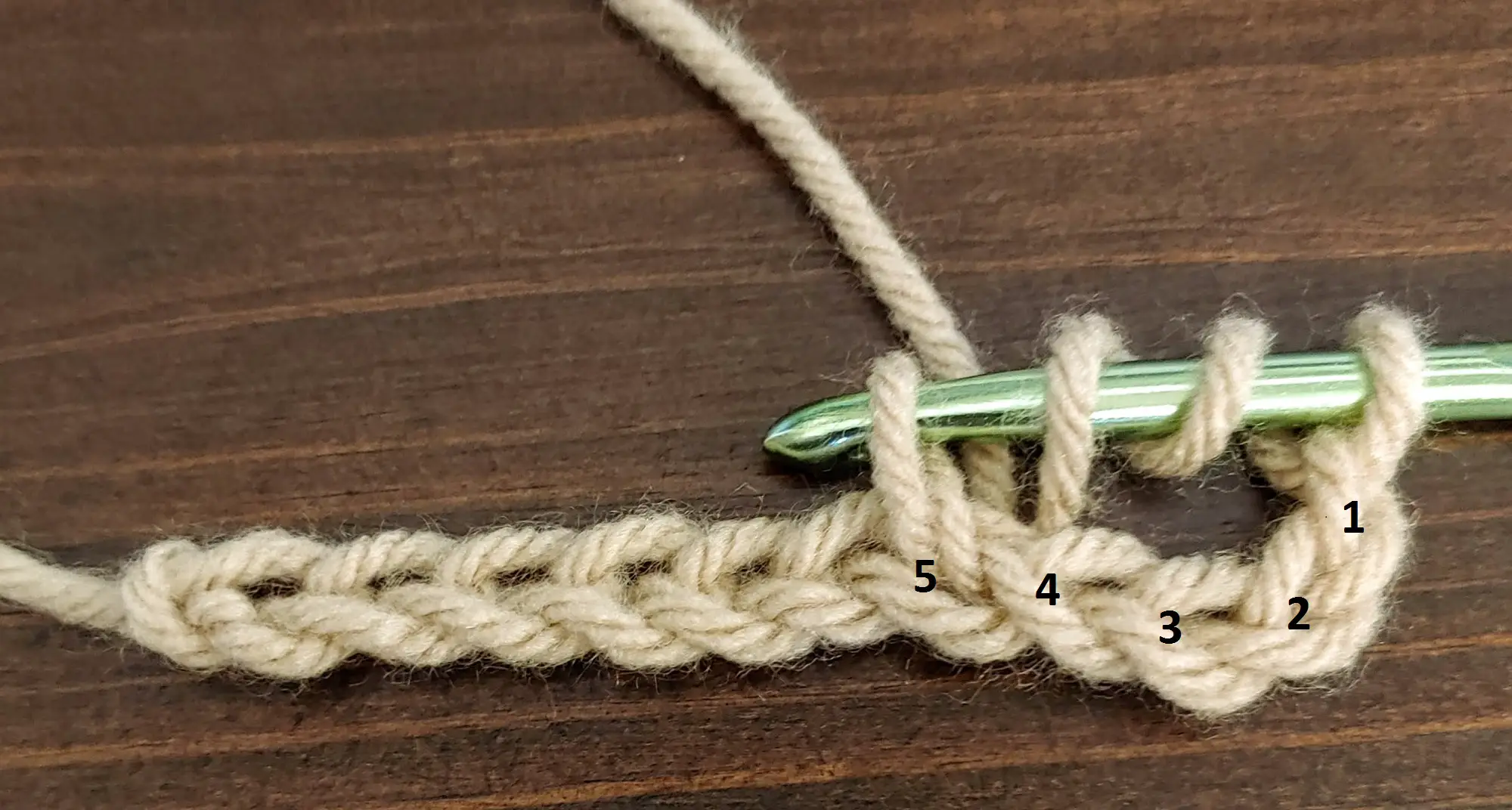
Starting the Second Row of Crochet Working Into the Foundation Chain
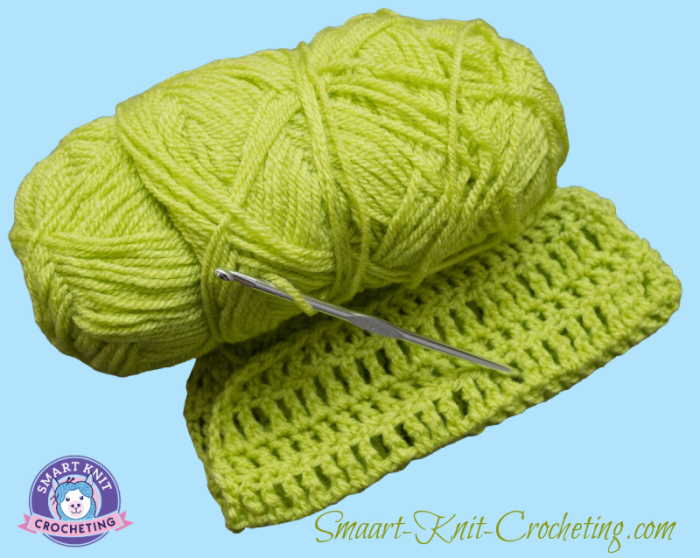
How to Crochet the Second Row of Stitches Beginner Crochet (2022)
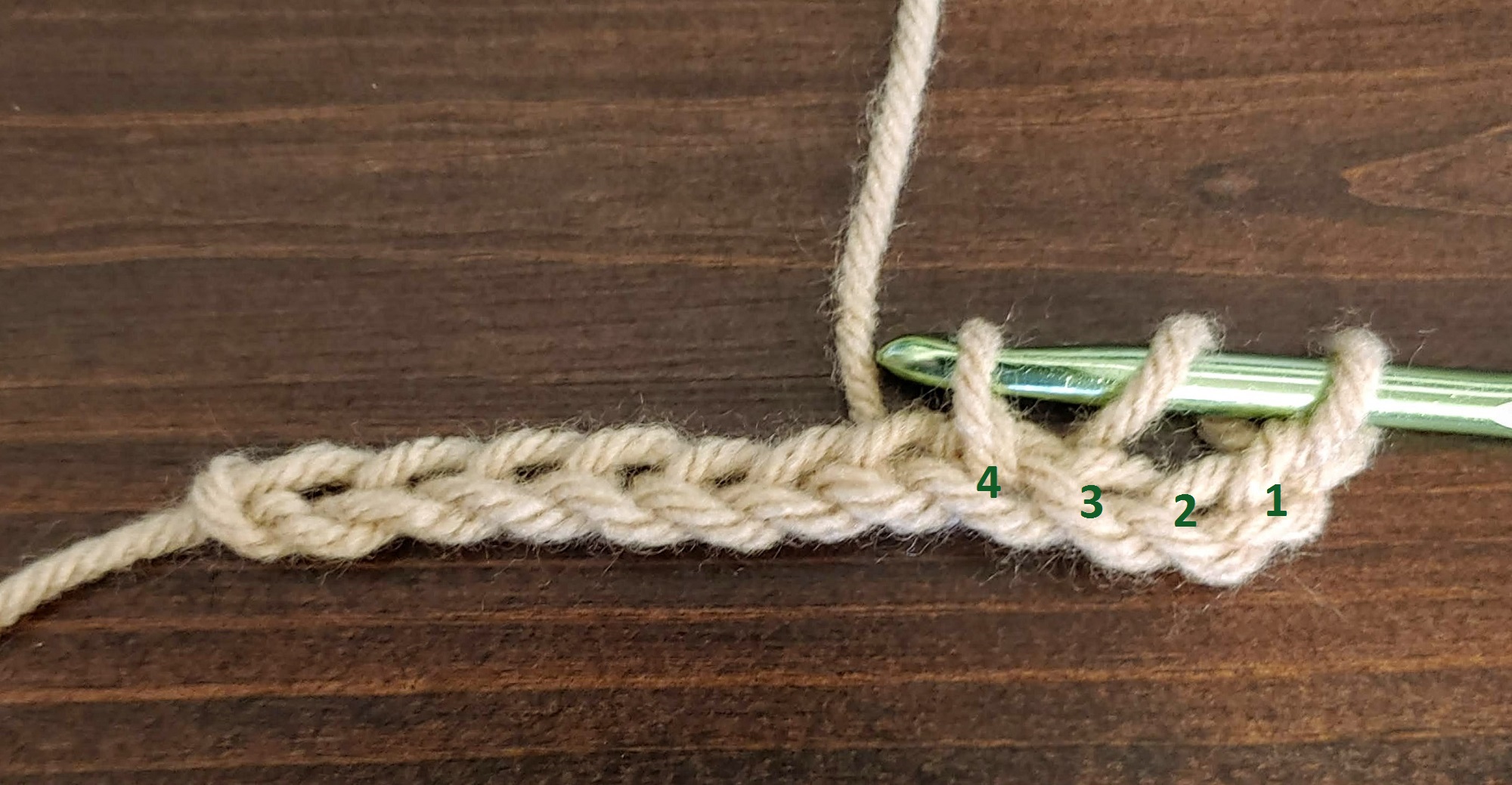
Starting the Second Row of Crochet Working Into the Foundation Chain
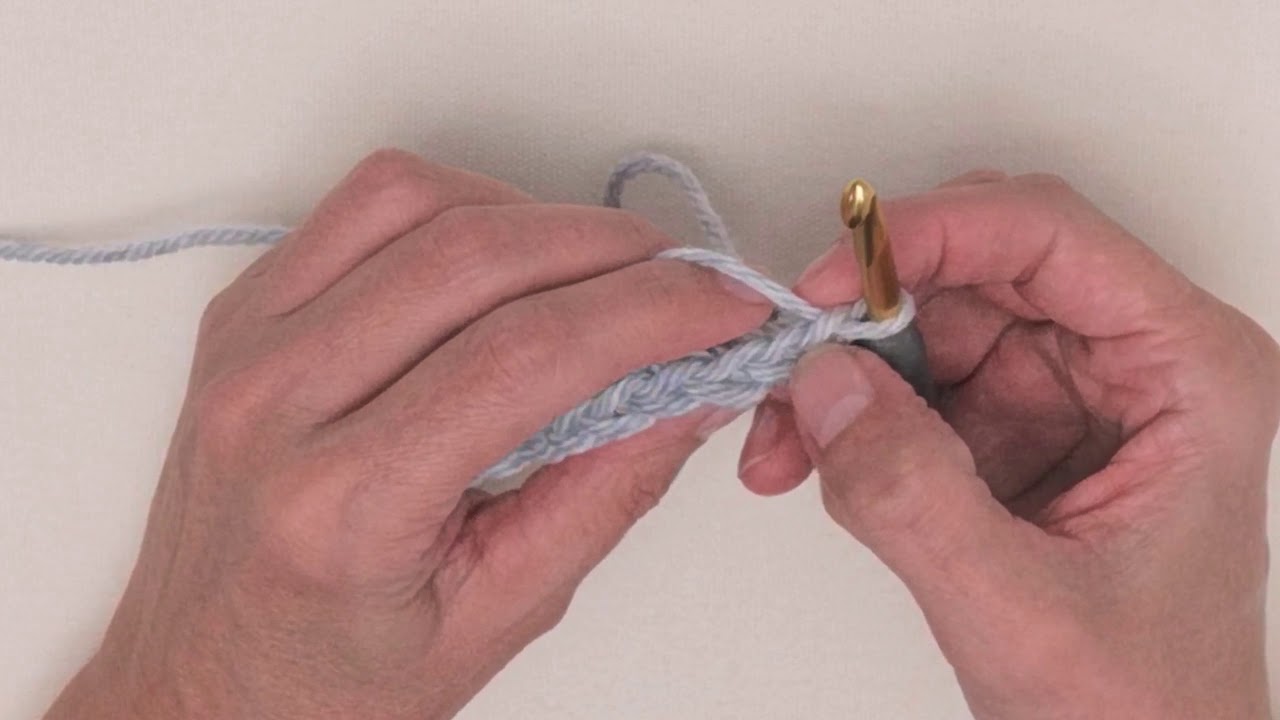
working the second row of single crochet YouTube
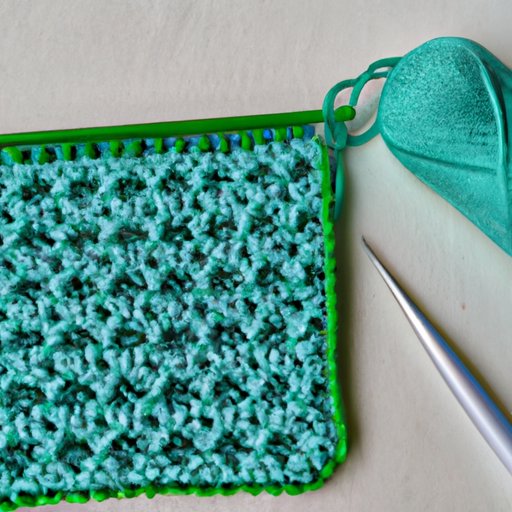
How to Start Second Row Crochet Master the Art with StepbyStep Guide
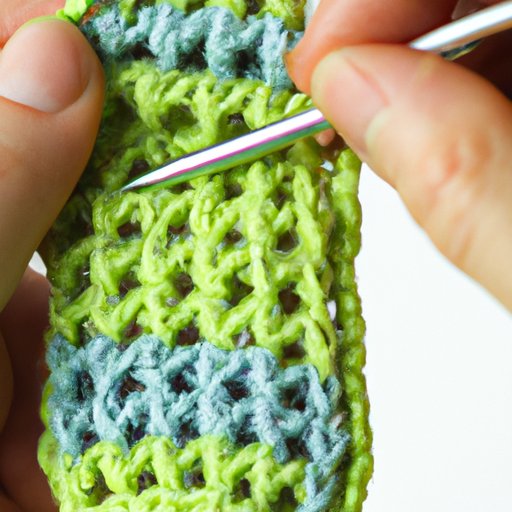
Beginning the Second Row of Crocheting StepbyStep Guide and Tips

How to Move Up to your Second Row of Crochet YouTube
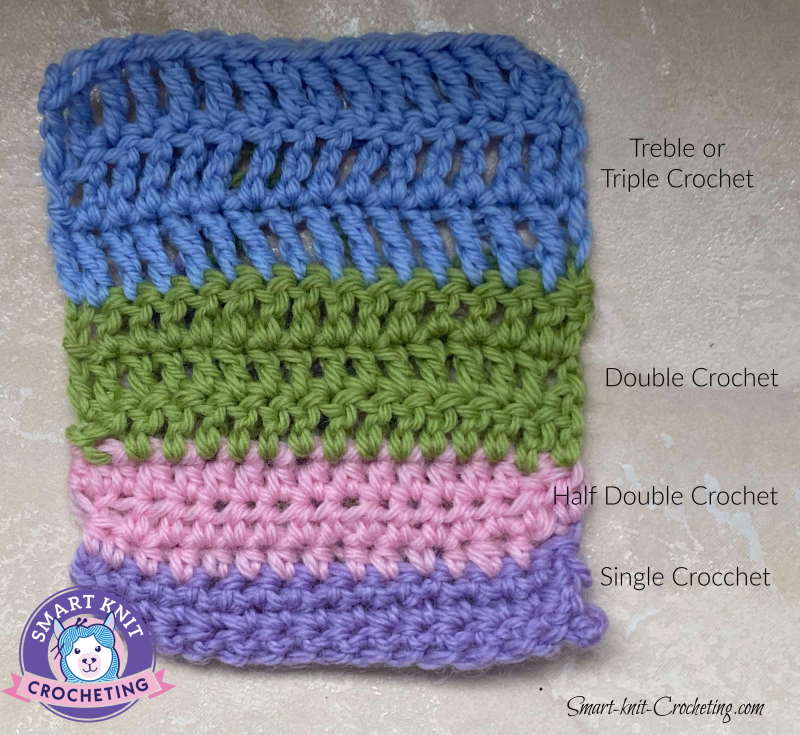
How to Crochet the Second Row of Stitches Beginner Crochet
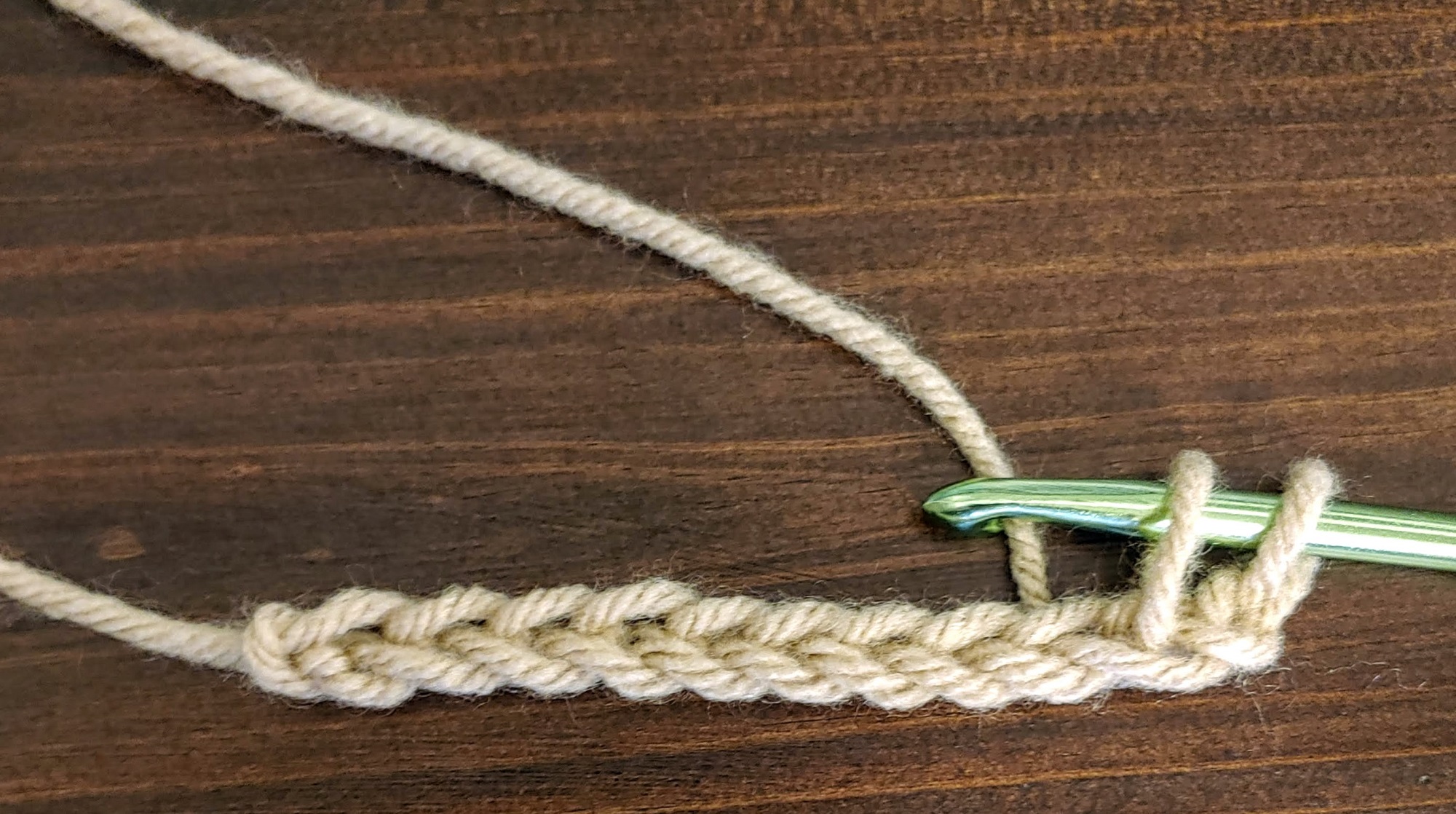
Starting the Second Row of Crochet Working Into the Foundation Chain
Web Discover Creative Second Row Crochet Ideas To Jazz Up Your Projects And Keep Your Fingers Entertained.
Web In This Video, I Teach You How To Move Up To Your Second Row Of Crochet, Using Your Single Crochet Stitch Only
Continue To The End Of The Row.
Then, Turn Your Work So That The Hook Is Facing The Opposite Direction.
Related Post: