
Crochet Square Blocking
Crochet Square Blocking - There are a few techniques for accomplishing this, including mist blocking, wet blocking, and steam blocking (outlined below). Web blocking a crochet square can help enhance the overall look and feel of your finished project. Make 2 dc into the same corner space. Web blocking crochet squares gives them a polished, professional look. Get the perfect shape with techniques that manipulate the fibers of the yarn. How to use a crochet blocking board. In this blog post, i’ll cover 3 ways you can block your crochet: Web there are three primary blocking methods: To form the pieces, water is added to the project. Let's look at the three most prevalent methods of blocking, as well as an alternative method if you don't have a foam mat, pins, or a steamer. You can spray block (demonstrated here), wet block (using a similar technique but starting by submerging your pieces in water until they’re saturated), or steam block (using a steamer or a steam iron after you pin the dry pieces). Learn more about blocking with our free how to block guide. Web the most basic answer is that blocking getting your crochet piece wet or damp to manipulate the shape/size and allowing it to air dry. Get the perfect shape with techniques that manipulate the fibers of the yarn. Web how to block crochet, step by step instructions. The method you choose depends on the material you have used and also the type of garment / item you have made. Web crochet blocking is the process of setting your fiber pieces with some form of water. Web (advice you need to know) this guide shares the best ways to block granny squares and covers everything you need to know about how to block a granny square including why it matters, how to do it, and what tools you’ll need. Wet blocking is great for natural fibers, while steam blocking is quick and efficient. This post may contain affiliate links. Read on to learn all there is about wet blocking, spray blocking, and steam blocking, and answers to the most frequently asked blocking questions. Learn more about blocking with our free how to block guide. How to use a crochet blocking board. Web blocking is the introduction of moisture to a crochet or knit project to set or shape the. Different blocking processes are suited for different textiles and crochet creations. Learn when blocking in crochet is necessary, what tools you need, and how to block crochet with wet blocking, spray blocking, steam blocking, and dry blocking. In short, blocking is getting your project wet and letting it dry! Why do you block crochet projects? To block a crochet square,. You can spray block (demonstrated here), wet block (using a similar technique but starting by submerging your pieces in water until they’re saturated), or steam block (using a steamer or a steam iron after you pin the dry pieces). Different blocking processes are suited for different textiles and crochet creations. There are a few techniques for accomplishing this, including mist. In short, blocking is getting your project wet and letting it dry! Why do you block crochet projects? Web how to block crochet, step by step instructions. Web mastering blocking can elevate the quality and presentation of your granny squares and other creations to a whole new level. Different blocking processes are suited for different textiles and crochet creations. Web mastering blocking can elevate the quality and presentation of your granny squares and other creations to a whole new level. Each method has its benefits and is suitable for different types of projects and yarns. There are a few things you need to consider when purchasing a blocking mat for crochet, which can be a bit different compared to. To block a crochet square, first measure how wide the crochet square is and then make a note of that number. Let's look at the three most prevalent methods of blocking, as well as an alternative method if you don't have a foam mat, pins, or a steamer. Web mastering blocking can elevate the quality and presentation of your granny. This post may contain affiliate links. Web blocking is the introduction of moisture to a crochet or knit project to set or shape the final project. You can do that with either water (wet blocking) or steam (steam blocking). Wet blocking, steam blocking, and spray blocking. Different blocking processes are suited for different textiles and crochet creations. Web there are three primary blocking methods: Web how to block crochet, step by step instructions. You can spray block (demonstrated here), wet block (using a similar technique but starting by submerging your pieces in water until they’re saturated), or steam block (using a steamer or a steam iron after you pin the dry pieces). Web blocking your squares will. Using blocking tools to shape the pieces will provide you will a more finished and professional look. Web blocking is the process of introducing moisture into fibers in order to manipulate the shape and size of your crochet work. You can do that with either water (wet blocking) or steam (steam blocking). This counts as your first double crochet. Web. You can do that with either water (wet blocking) or steam (steam blocking). Web if you’re wondering why to block your crochet or how to block crochet, this article is for you! Wet blocking, steam blocking, and spray blocking. Web the most basic answer is that blocking getting your crochet piece wet or damp to manipulate the shape/size and allowing. Web enjoy creating stunning blankets, garments, or accessories with perfectly blocked and uniform granny squares. Read on to learn all there is about wet blocking, spray blocking, and steam blocking, and answers to the most frequently asked blocking questions. Web crochet blocking is an effective way to shape crochet squares with the use of water. What you'll need to know. Wet blocking is great for natural fibers, while steam blocking is quick and efficient. Web there are a few methods on how to block your crochet work. In short, blocking is getting your project wet and letting it dry! There are a few techniques for accomplishing this, including mist blocking, wet blocking, and steam blocking (outlined below). This counts as your first double crochet. To block a crochet square, first measure how wide the crochet square is and then make a note of that number. Learn when blocking in crochet is necessary, what tools you need, and how to block crochet with wet blocking, spray blocking, steam blocking, and dry blocking. Get the perfect shape with techniques that manipulate the fibers of the yarn. Whether you're a beginner or an experienced crocheter, blocking is an essential technique that can elevate your projects to the next level. Web blocking crochet squares gives them a polished, professional look. Web the most basic answer is that blocking getting your crochet piece wet or damp to manipulate the shape/size and allowing it to air dry. Web if you’re wondering why to block your crochet or how to block crochet, this article is for you!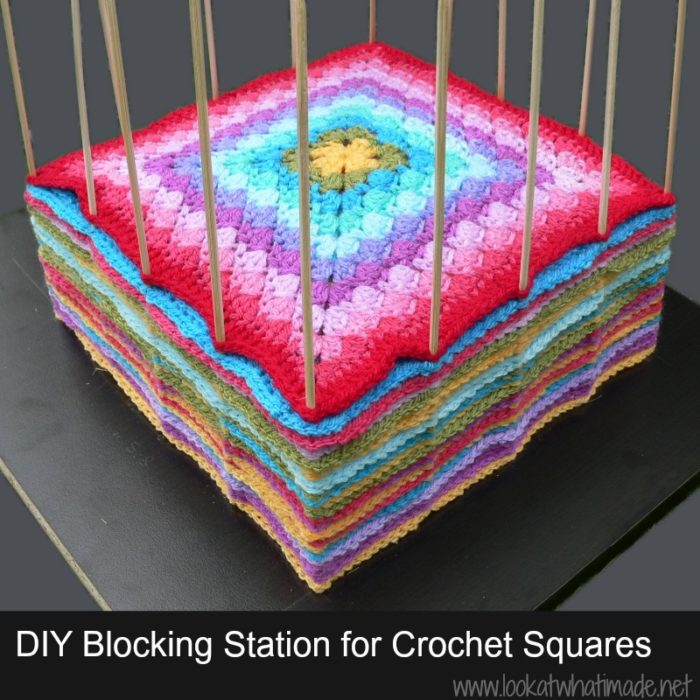
DIY Blocking Station for Crochet Squares
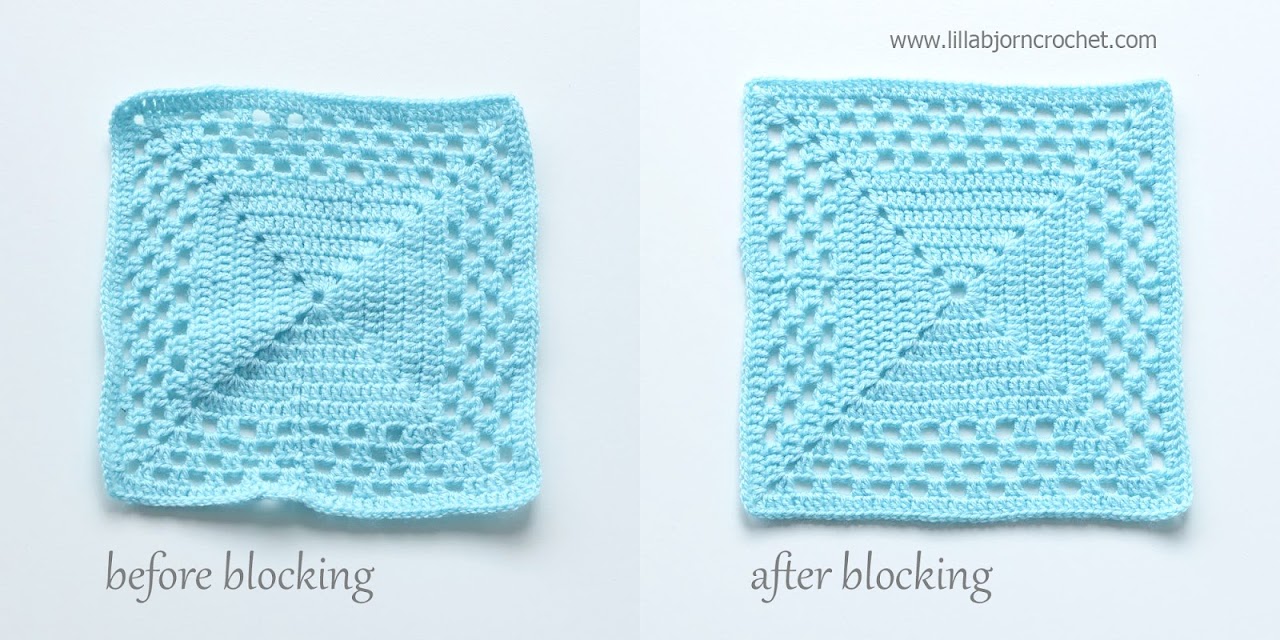
Why and how to block crochet and knitted projects? LillaBjörn's
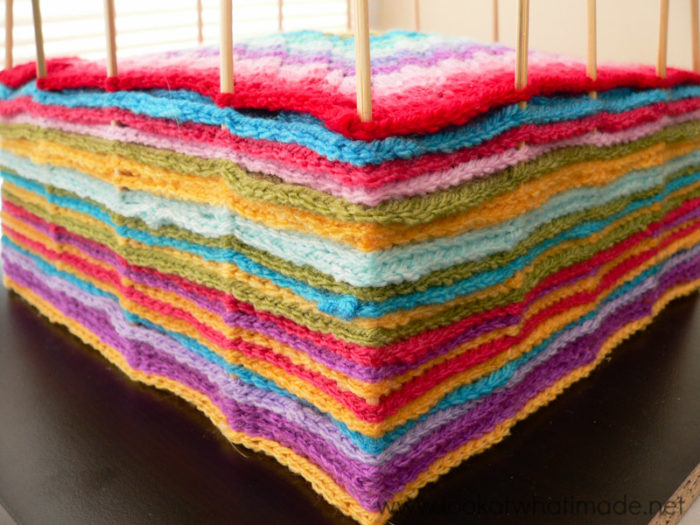
DIY Blocking Station for Crochet Squares
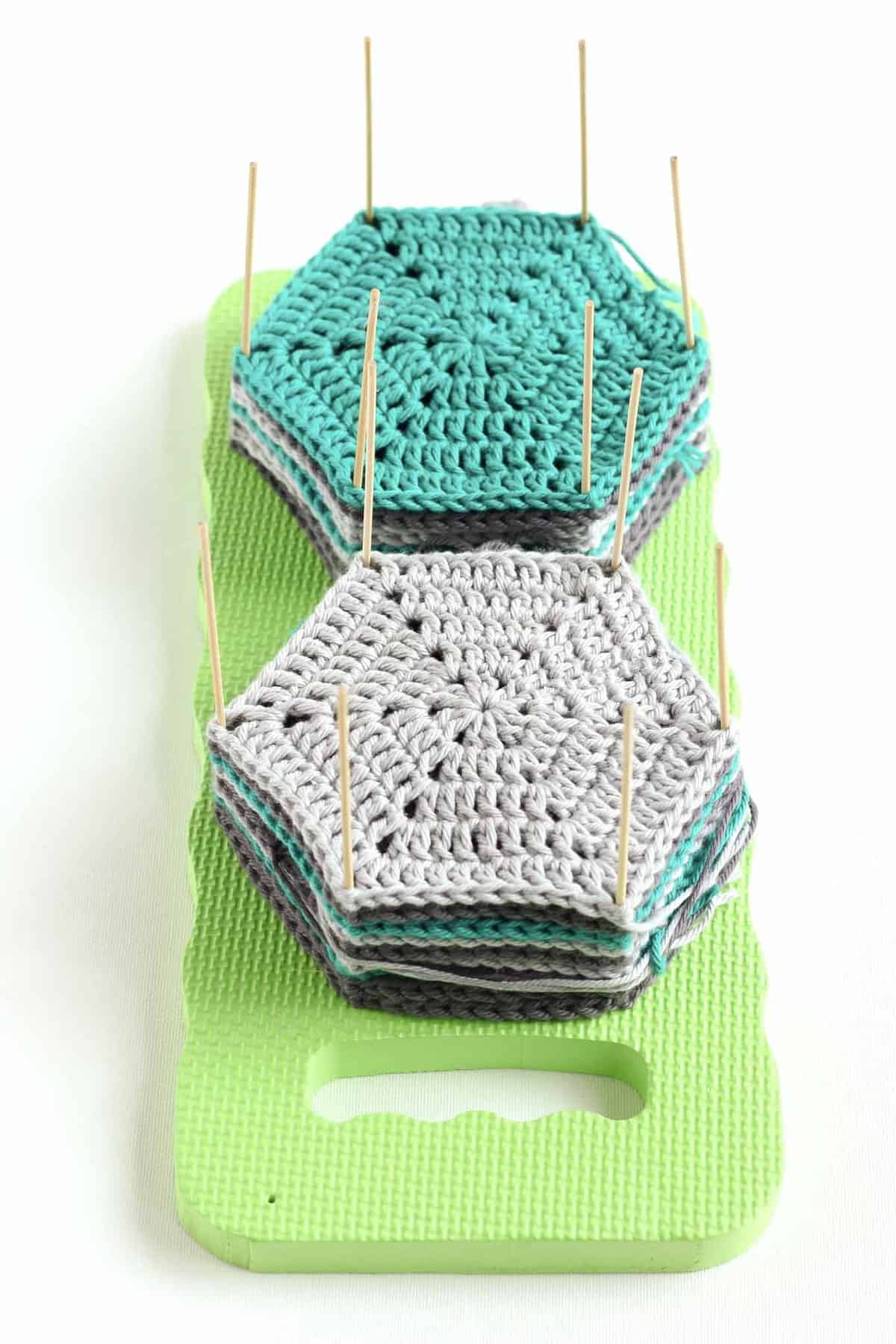
How to Block Crochet with Easy DIY Blocking Board

Crochet Square Patterns Free Block Patterns For Modern Blankets
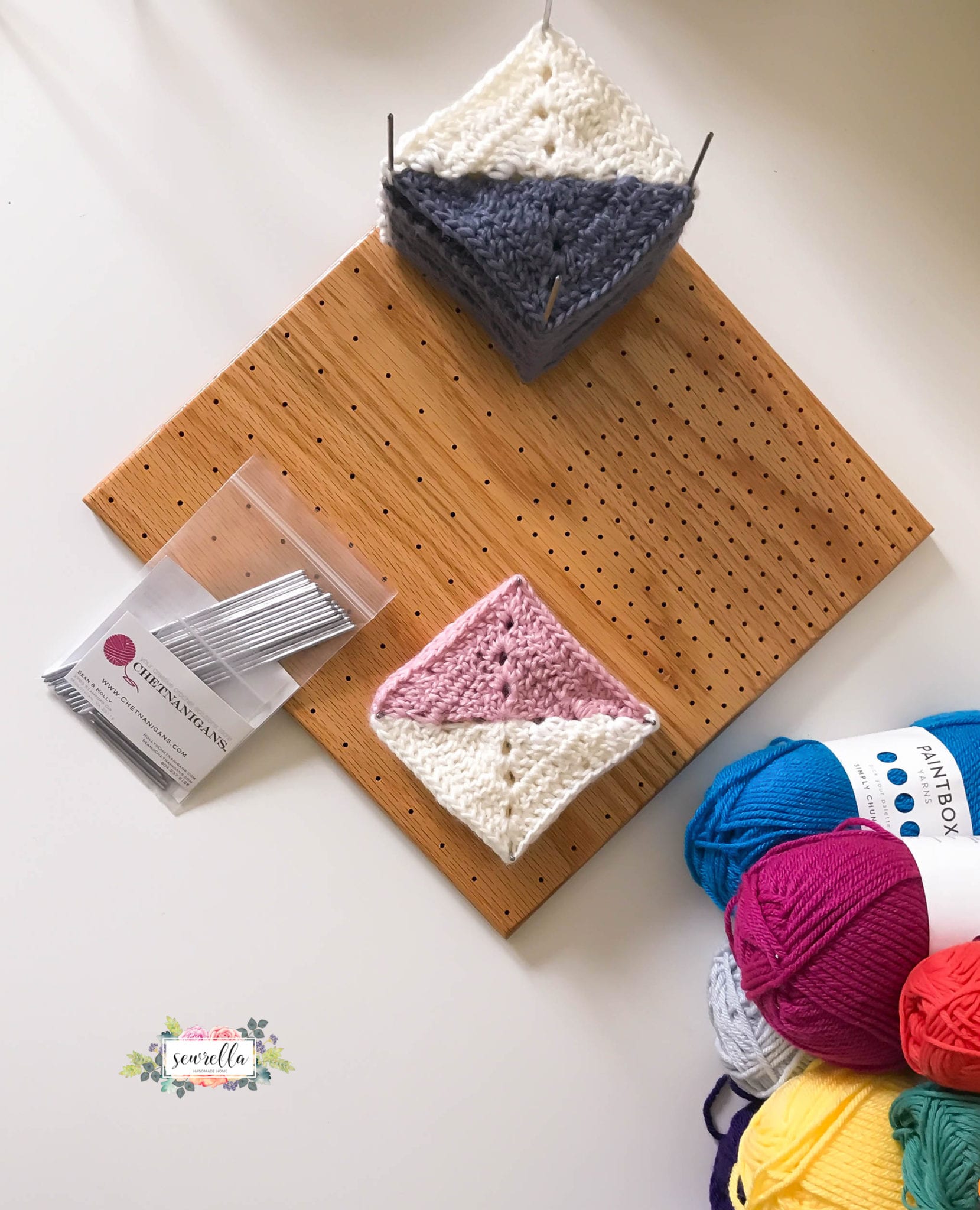
How to Block Crochet Granny Squares • Sewrella

How to Block Crochet with Easy DIY Blocking Board Crochet square

How to Block Crochet Granny Squares Sewrella

Tutorial Blocking Crochet Squares Pattern Paradise

Tutorial Blocking Crochet Squares Pattern Paradise
To Form The Pieces, Water Is Added To The Project.
Web To Block Crochet Squares, Start By Pinning Each Corner Of The Square Onto A Blocking Board, Ensuring They Are Straight And Aligned.
An Important Note To Remember Is That Blocking Can Increase The Size Of A Crochet Piece Slightly But It Cannot Decrease.
Web Blocking Crochet Squares Is A Great Way To Keep Them From Stretching Out And To Keep The Colors From Fading.
Related Post: